Showing posts with label Disaster Preparation and Survival. Show all posts

Thursday, September 17, 2015

Survival Food : Wheat Berries and not just for making bread


Wheat Berries - Long Term Storage - Part 1


Wheat Berries - Long Term Storage - Part 2

SpartanMonkee
SpartanMonkee


Wheat Berries - Long Term Storage - Part 3

SpartanMonkee
SpartanMonkee


Long-Term Survival Food Storage: Whole Wheat Berries

thenewsurvivalist
thenewsurvivalist


Making Bread from Home Ground Wheat

Published on Oct 29, 2012
I have been learning about food storage for a while now. I finally decided to start using Hard White Wheat and grinding it at home. I got a hand wheat grinder to see how I liked it. The verdict is in....LOVE, LOVE, LOVE IT! The bread is amazing! Now I know that every Sunday will be bread day around our house. The recipe I used is below. It's a basic bread recipe. The dough can be used for many things though. Of course bread but also dinner rolls, cinnamon rolls, pizza crust, you name it. I hope you try it and let me know how it turns out for you.
BASIC WHITE BREAD
Ingredients : 2 cups warm water (110 degees) 1/3 cup white sugar 1 1/2 tablespoons active dry yeast 1 1/2 teaspoons salt 6 cups bread flour
(The recipe does not call for dough enhancer but I included it. You'll see in the video)
Directions:
1. In a large bowl, desolve the sugar in warm water, and then stir in the yeast. It must sit to proof for about 10 minutes. It will develop a creamy foam.
2. Once the yeast if proofed, mix the oil and salt into it.
3. Mix in one cup of flour at a time. Once it forms a dough turn it out on a counter covered lightly with flour and kneed the dough until smooth and elastic.
4. Place in a well oiled bowl and turn the dough to coat with the oil.
5. Cover with a damp cloth and allow to rise until double in size, about an hour.
6. Punch the dough down and kneed for a few minutes more. Divide in half. Roll out each half into a rectangle. Roll each rectangle jelly roll fashion and place seam side down in a lightly greased bread pan. Allow it to rise another 30 minutes or so until it fills the pan or is 1 inch above the edge.
7. Bake at 350 degrees for 30 minutes.


.


Easy Wheat Sprouting nothing special needed

Uploaded on May 9, 2010
 Wheat can be stored easily for decades and is highly recommended for storage. Sprouting is one simple way to harness it's nutrition. You don't need anything special to do this and it takes only minutes of your time. For full nutrition check Nutrition Data's website. For ongoing info, blogs and other things related to survival and preparedness visit our website. wildernessinnovation com


Wheat berry recipes

by ingredients, cooking time, nutrition facts, collections


59 wheat berry recipes
Berry Berry Streusel Bars

Berry Berry Streusel Bars

 Raspberry jam and blueberries make these berry berry streusel bars packed with goodness and yumminess. Perfect for breakfast.
about 1 hour ago

Arugula, Chickpea and Wheat Berry Salad

Arugula, Chickpea and Wheat Berry Salad

 Wheat berries, chickpeas, roasted bell peppers, and arugula are tossed with a refreshing and flavorful dressing. It fills you up with lots of goodness and yumminess.
2 minutes ago

Israeli Wheat Berry Stew

 Try this delicious rendition of stew that's made with great northern beans, wheat berries and a bit of cumin and turmeric.

Oatmeal and Berry Pancakes

Oatmeal and Berry Pancakes

 These delicious pancakes are full of yumminess and goodness. They are moist in the inside, and slightly crispy on the outside. Berries give you some juicy explosion in every bite. They are perfect for breakfast.
about 9 hours ago

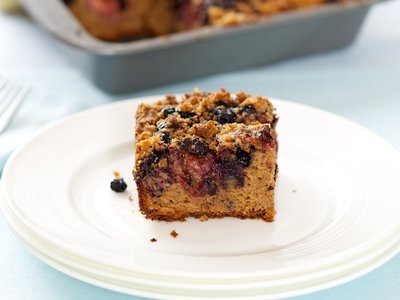
Mixed Berry Coffee Cake

Mixed Berry Coffee Cake

 Moist, fruity and very tasty! An ideal cake you can have with a cup of coffee or tea.
28 minutes ago

Warm Crepes with Berry Sauce

Warm Crepes with Berry Sauce

 Warm, juicy and fruity. These warm crepes are served with freshly made blueberry-raspberry sauce. Delicious and also good for you.


Sunday, September 13, 2015

Survival Food : Dehydrated Potatoes

How to (and how not to) Dehydrate Potatoes February 2013


.............................................

Dehydrating Sweet Potatoes The Homestead Survival

HomesteadSurvival
HomesteadSurvival


Survival Food : Pemmican

The Métis

Pemmican


Pemmican

  • A single buffalo supplied the Métis with a large amount of meat. Therefore, they needed to find a way to preserve some of that meat to keep it from going bad.
  • Most of the buffalo meat was used to make ‘pemmican’, which lasted for year without spoiling.
  • Pemmican was usually made from buffalo meat.
  • Drying the meat ensured that it did not go bad.
  • How to make pemmican:
    • First, the buffalo meat was cut into long strips.
    • The strips were then dried on racks, either over a fire, or in the sun.
    • The dried buffalo meat was then pounded into granular form.
    • Once in granular form, it was placed into animal-hide bags.
    • Hot buffalo fat was poured into the bags and mixed with the dried meat.
    • Wild berries were added to the mixture for flavour.
    • The hide bag were sewn shut, and the pemmican kept for years.
  • Pemmican was a nutritious and filling snack, and was eaily transported on long trade journeys.
  • Pemmican recipe
    • Ingredients:
      • 2 lbs of buffalo meat
      • ¼ cup of berries (blueberries or saskatoon berries)
      • 5 tablespoons of animal fat
    • Steps:
      • Cut meat into long strips
      • Hang meat in the sun to dry
      • When dry, pound strips into flakes
      • Mix together flakes and dried berries in hide bag (or bowl)
      • Add melted fat (hot)
      • Add berries (optional)


    Learn More About The Metis Here


     Pemmican - The Ultimate Survival Food

    Jas. Townsend and Son, Inc. Jas. Townsend and Son, Inc.


  Pemmican - The Ultimate Survival Food - Episode2 - 18th century cooking S5E3

Jas. Townsend and Son, Inc.


Pemmican - The Ultimate Survival Food - Episode 3 - 18th century cooking S5E4

Jas. Townsend and Son, Inc. Jas. Townsend and Son, Inc.


Pemmican Episode 4 - 18th century cooking with Jas Townsend and Son S5E5

Jas. Townsend and Son, Inc. Jas. Townsend and Son, Inc.


How To Render Fat, Part 1

HerbMentor HerbMentor


How To Render Fat, Part 2

HerbMentor

Survival Food : Hard Tack

Ship's Bisket - Hard Tack: 18th Century Breads, Part 1. S2E12

Making High Protein Hardtack

Simple Hardtack Recipe

How to Eat 3 Year Old Hard Tack

..........  ..........

Tuesday, February 4, 2014

DIY Ideas for simple and durable rocket stoves for SHTF situations or everyday use

Cook Different Cook Different


Published on Dec 10, 2013
In this video I layout a pretty simple process for building a rocket stove that will you a lifetime and uses a very small amount of fuel (wood, sticks, pinecones, etc) to cook your meals with. Be sure to follow me on Facebook at http://facebook.com/cookingdifferent


.....

The "4 Block" Rocket Stove! - DIY Rocket Stove - (Concrete/Cinder Block Rocket Stove) - Simple DIY

desertsun02


Published on Nov 9, 2013

 
How to make a "FOUR BLOCK" Rocket Stove! Easy DIY. Four concrete blocks is all it takes to make it!. Cost $5.16. video shows you how to put it together. the stove funnels all its heat up under the bottom of the pan. uses very little fuel. fueled by small sticks, twigs and leaves. cooks great. wind and rain resistant


  .....

The "6 Block" Rocket Stove! DIY - "DUAL BURNER" Rocket Stove! (Concrete Block Rocket Stove) DIY

desertsun02


Published on Nov 17, 2013
Homemade "6 Block" Rocket Stove. DIY "Dual Burner" Rocket Stove is made from only 6 blocks!. similar to the 4 block rocket stove. uses the same blocks. (just add 2 "Half Blocks"). great for emergency/SHTF or everyday use

.....


Enhanced by Zemanta

The Top 5 Protein Sources for Your SHTF Diet

Tess Pennington
Ready Nutrition


Being well-nourished during a disaster can mean the difference between powering through the event with strength, stamina and energy or plodding through the situation barely able to put one foot in front of the other.
One often overlooked component of the prepper’s pantry is protein.  This vital nutrient:
  • Helps with the repair and building of muscle tissue
  • Helps the body heal from injuries
  • Provides long-lasting stamina
  • Helps boost the immune system
Protein is stored throughout the body. It can be found in muscles, bones, hemoglobin, myoglobin, hormones, antibodies, and enzymes. In fact, protein makes up nearly 45% of the human body. Without a steady supply, body functions will cease to operate effectively.
Protein is often thought of as one of the more challenging items to stockpile for an extended period of time. Most people think of a freezer full of juicy steaks and roasts when they contemplate protein. They feel that the next resort is tins of highly processed meat pieces.  The good news is, there are many ways to add muscle-building nutrients to your long term food storage without resorting to a sodium laden closet full of Spam.
To see a breakdown of protein amounts in food sources, click here.
Although pantry basics such as dry non-fat milk powder and powdered cheeses offer protein for the diet, there are other food sources to consider. Here are the top 5 healthy (and tasty) protein sources to add to your stockpile:
Beans
Beans are more than just a vegetarian staple.  While beans can stand on their own as a delicious protein source, adding beans to a dish that contains meat can stretch your budget by providing lots of protein while using less meat.
Due to their high fiber content, beans prevent blood sugar levels from rising too rapidly after a meal, making this food source an excellent choice for individuals with diabetes, insulin resistance or hypoglycemia. Having a high fiber food source also helps to slow the rate of absorption of carbohydrate thus making it a more energy efficient food source.
Dried beans provide the most bang for your food storage buck. They are one of the most low cost food sources on the market. The canned variety will prove to be more fuel efficient. Canned beans can often be purchased on sale. Plain canned beans and beans in barbecue sauce can provide instant nutrition in the event of a power outage.  If you don’t want to eat beans that have been processed, it’s easy to can your own.  Click here for directions on preserving homemade pork and beans.
Store dried beans in Mylar bags with oxygen absorbers, then placed the sealed bags inside large plastic food grade buckets for added protection.  Click here for details.
Chia Seeds
The Chia seed is a tiny little powerhouse that can add a lot of benefits to your long-term food storage while only taking up a small amount of space. The word “Chia” is actually the Mayan word for strength. In ancient cultures, they are considered the food of the warrior because of their nutrient density and ability to sustain running messengers for long durations without other food.
Chia seeds have double the amount of protein found in other seeds, as well as many other nutritional benefits.
  • 2x the protein of other seeds
  • 5x the calcium of milk
  • 2x the potassium of bananas
  • 3x the antioxidants of blueberries
  • 3x the iron of spinach
Chia seeds can be sprinkled dry on top of other foods, they can be sprouted or they can be soaked to create a tasteless gel to stir into soups or sauces.
Chia seeds can be stored for 2-4 years in a cool, dry place. They can be stored in large glass jars or Mylar bags.
Click here to learn more about the nutritional value and uses of Chia seeds.
Read More Here
Enhanced by Zemanta

The Importance of Being Prepared


Article Written by Lee Flynn

Former British Prime Minister Benjamin Disraeli once said, “I am prepared for the worst, but hope for the best” (Quotery.com). Some people falsely believe that being prepared is the sort of thing that is only reserved for fear mongerers and doomsday enthusiasts. However, being prepared does not mean that you want the worst to happen. On the contrary, it means that, although you hope for the best, you are simply ready for anything that might come your way. In the same way that you get insurance in case your health declines, it is important to take out your own “insurance policy” for every area in your life. This might include food storage, home repairs, budgeting, or any number of tasks.

Large-Scale Disasters

The most common motivator for people when it comes to preparedness is the type of disaster that gains international attention. Hurricanes, tornadoes, tsunamis, and all manner of natural disasters have a habit of igniting the prepping spark in many people. Such occurrences are often unpredictable and can leave hundreds of people without homes or even, sadly, their loved ones. However, even those on the outskirts of a disaster can suffer dire consequences. At the very least, they may be trapped in their homes for days on end, perhaps without power or water. This is where your emergency food and water comes in handy.

Smaller Catastrophes

However, although these are the ones which gain the most attention, natural disasters are not the only, and certainly not the most common, reason for needing to keep certain emergency items in your home. You might not have considered it before, but a sudden job loss could come from nowhere and make it extremely difficult to feed yourself and your family.

Read More Here
Enhanced by Zemanta