Showing posts with label food. Show all posts

Thursday, September 17, 2015

Survival Food : Wheat Berries and not just for making bread


Wheat Berries - Long Term Storage - Part 1


Wheat Berries - Long Term Storage - Part 2

SpartanMonkee
SpartanMonkee


Wheat Berries - Long Term Storage - Part 3

SpartanMonkee
SpartanMonkee


Long-Term Survival Food Storage: Whole Wheat Berries

thenewsurvivalist
thenewsurvivalist


Making Bread from Home Ground Wheat

Published on Oct 29, 2012
I have been learning about food storage for a while now. I finally decided to start using Hard White Wheat and grinding it at home. I got a hand wheat grinder to see how I liked it. The verdict is in....LOVE, LOVE, LOVE IT! The bread is amazing! Now I know that every Sunday will be bread day around our house. The recipe I used is below. It's a basic bread recipe. The dough can be used for many things though. Of course bread but also dinner rolls, cinnamon rolls, pizza crust, you name it. I hope you try it and let me know how it turns out for you.
BASIC WHITE BREAD
Ingredients : 2 cups warm water (110 degees) 1/3 cup white sugar 1 1/2 tablespoons active dry yeast 1 1/2 teaspoons salt 6 cups bread flour
(The recipe does not call for dough enhancer but I included it. You'll see in the video)
Directions:
1. In a large bowl, desolve the sugar in warm water, and then stir in the yeast. It must sit to proof for about 10 minutes. It will develop a creamy foam.
2. Once the yeast if proofed, mix the oil and salt into it.
3. Mix in one cup of flour at a time. Once it forms a dough turn it out on a counter covered lightly with flour and kneed the dough until smooth and elastic.
4. Place in a well oiled bowl and turn the dough to coat with the oil.
5. Cover with a damp cloth and allow to rise until double in size, about an hour.
6. Punch the dough down and kneed for a few minutes more. Divide in half. Roll out each half into a rectangle. Roll each rectangle jelly roll fashion and place seam side down in a lightly greased bread pan. Allow it to rise another 30 minutes or so until it fills the pan or is 1 inch above the edge.
7. Bake at 350 degrees for 30 minutes.


.


Easy Wheat Sprouting nothing special needed

Uploaded on May 9, 2010
 Wheat can be stored easily for decades and is highly recommended for storage. Sprouting is one simple way to harness it's nutrition. You don't need anything special to do this and it takes only minutes of your time. For full nutrition check Nutrition Data's website. For ongoing info, blogs and other things related to survival and preparedness visit our website. wildernessinnovation com


Wheat berry recipes

by ingredients, cooking time, nutrition facts, collections


59 wheat berry recipes
Berry Berry Streusel Bars

Berry Berry Streusel Bars

 Raspberry jam and blueberries make these berry berry streusel bars packed with goodness and yumminess. Perfect for breakfast.
about 1 hour ago

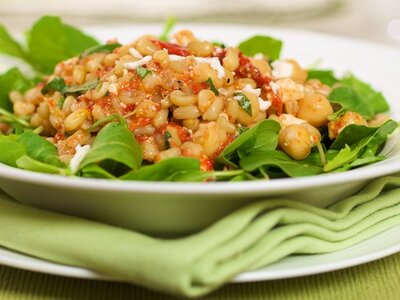
Arugula, Chickpea and Wheat Berry Salad

Arugula, Chickpea and Wheat Berry Salad

 Wheat berries, chickpeas, roasted bell peppers, and arugula are tossed with a refreshing and flavorful dressing. It fills you up with lots of goodness and yumminess.
2 minutes ago

Israeli Wheat Berry Stew

 Try this delicious rendition of stew that's made with great northern beans, wheat berries and a bit of cumin and turmeric.
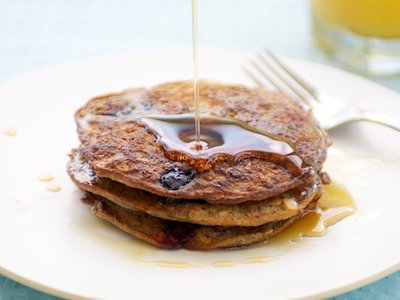
Oatmeal and Berry Pancakes

Oatmeal and Berry Pancakes

 These delicious pancakes are full of yumminess and goodness. They are moist in the inside, and slightly crispy on the outside. Berries give you some juicy explosion in every bite. They are perfect for breakfast.
about 9 hours ago

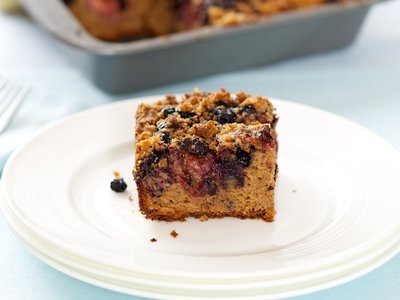
Mixed Berry Coffee Cake

Mixed Berry Coffee Cake

 Moist, fruity and very tasty! An ideal cake you can have with a cup of coffee or tea.
28 minutes ago

Warm Crepes with Berry Sauce

Warm Crepes with Berry Sauce

 Warm, juicy and fruity. These warm crepes are served with freshly made blueberry-raspberry sauce. Delicious and also good for you.


Wednesday, September 16, 2015

7 Survival Foods with an Unbelievable Shelf Life

Bulk Food Storage Containers
Bulk Food Storage Containers jpg  /   eb6tracker.com

Guest Post by Dan Sullivan
 
Let me ask you a question, when was the last time you read an article on survival food and said to yourself:
Yeah, I almost forgot about this food... It’s perfect! I’ll definitely get me some?
Although there are plenty of lists with survival food on the Internet, a lot of preppers are missing a few good ones that have amazing shelf life (if properly stored, usually in cool, dark, dry places, away from rodents).
That’s what I want to do in this article so here’s my list of foods that ultimately allow you to rotate your stockpile less often...


#1. Spam

 
You either love it or hate spam but I think we can all agree most people like it, right? First of all, Spam is a brand. Its main ingredients are pork, ham, potato starch and salt and it became popular during World War 2 because of it has great shelf life (which, according to the manufacturer, is infinite).
The really cool thing is that it’s also dirt cheap, around 5 to 10 bucks for a can on Amazon.
 

#2. Hardtack crackers

Put whole wheat flour, water and salt together and you’ve got crackers with 50+ years of shelf life! Amazing, right (as long as you store them well)? As their name suggests, these crackers are pretty hard to chew on. You’ll need to soak them in water, milk or even soup for at least 5-10 minutes before eating them.
 

#3. Pemmican

This is another fantastic food that lasts a very long time. How long depends on the storage conditions and the quality of the ingredients. Again, lots of recipes out there, you just need look them up.
 

#4. Canned Pink Salmon

I say pink salmon because it has one of the highest shelf lives of all canned foods: 3 to 5 years. Obviously, you can extend it even more if you store it under the right conditions, in a cool, dark place, away from moisture etc.
If you want, you can make your own at home but you will need a pressure canner, the jars need to be sterile, the lids have to be brand new and the recipe has to be followed to the letter. One wrong move and you could compromise your cans.

#5. Wheat berries

I’m not sure you noticed but the first four foods from the list don’t need to be cooked in order to be eaten. This is great if you’re worried that the smell might give you away in a post-SHTF situation where food will be scarce.
However, there are other foods with amazing shelf life, such as berries, that do require you start your propane stove.
Wheat berries are, in fact, the kernel of the grain except for the hull. Few people know that they have a much longer shelf life than flour, which is why I’m adding them to this list. White flour is good, it will last you 8 to 12 months, more if you store it properly. That’s more than enough if you rotate your stockpile once or twice a year.
But if you’re really looking to hit maximize shelf life, you might as well store it in the form of wheat berries. Just put them in Mylar bags with oxygen absorbers and then everything in food-grade buckets.
Of course, in order to turn them into flour, you’re gonna need a hand cranked grinder... and that’s something that may be a little harder to find one post-collapse.


#6. Dried pinto beans

OK, so pretty much all dried beans are going to last a very long time in proper conditions but I did promise you foods with an unbelievable shelf life, right?
A 2005 study by Larson, Sloan, Ogden and Pike found that dried pinto beans retain “total protein quality” over long periods of time. Of course, you’re gonna want to eat them long before the maximum 30 year shelf life they can give you. They’ll be as hard as a rock and you’re probably going to need a pressure canner to cook them.


#7. Dehydrated potato slices
These potato slices can last 25 years according to some manufacturers. It makes sense, since they have 0 fat and enough sodium. You can make your own potato slices at home, of course, but you can also just buy them and keep them in their original containers.
 
Well, this is it for now; I hope I’ve given you some pretty good ideas on what foods to add to your stockpile. Just remember that stockpiling them is not an excuse for you to rotate your stockpile less frequently simply because you’ll know they last long. Rotating your stash is important to make sure that, when it hits, your preps will last you as long as you need them to.
Another thing you need to remember is to not neglect your other preps such as water, medicine, tools, clothes and so on. Stockpiling is comfortable and easy but you’ll also need to focus on your skills, for instance.

Good luck!

Dan F. Sullivan
____________________________________________________________________

___________________________________________________________________
 
Look for more of Dan's  informative articles on his site  www.survivalsullivan.com

__________________________________________________________________

_________________________________________________________________

Wednesday, September 9, 2015

A Plan for Food Self-Sufficiency

 
Planning a garden in advance can help you enjoy local, homegrown food year-round! Estimate how much to grow or buy and learn how to achieve food security with these guidelines.
By Cindy Conner October/November 2012
A well-planned garden can provide your family with the freshest, most nutritious produce, plus a more secure, self-reliant lifestyle.
Photo By Matthew T. Stallbaumer
Slideshow
Providing high-quality food for your family year-round takes foresight and planning, plus healthy doses of commitment and follow-through. Whether you grow as much of your food as you can or you source it from local producers, the guidelines here will help you decide how much to produce or purchase. The charts linked to in “Plan How Much to Grow” later in this article will also help you estimate how much space you’ll need — both in your garden to grow the crops, and in your home and pantry or root cellar to store preserved foods. Here’s a step-by-step plan to help you make the best use of your garden space (or farmers markets) to move toward homestead food self-sufficiency.

1. Establish Your Goals

Make a list of the foods you and your family eat now — and note the quantities as well. The charts linked to in “Plan How Much to Grow” further along in this article assume a half-cup serving size for fruits, vegetables and legumes, and a 2-ounce serving for dry grains. If your servings differ from the charts, be sure to adjust your calculations accordingly. Decide what you’d like to grow, noting the foods your family prefers and recognizing that not every crop will grow in every climate. Research different crop varieties: Some crops — such as melons — require long, hot days to mature, but certain varieties need fewer days to reach maturity, which allows them to be grown in areas with a shorter growing season. Don’t be afraid to start small and build gradually toward food self-sufficiency. A good starting goal might be to produce all of a certain crop that you use. An early milestone for me was growing all of the green beans we needed for a year and all of the ingredients for the spaghetti sauce I canned. Maybe you’ll aim to eat at least one thing from your garden each day. Keep your goals in mind as you’re planning a garden.
Read More Here

Tuesday, February 4, 2014

The Top 5 Protein Sources for Your SHTF Diet

Tess Pennington
Ready Nutrition


Being well-nourished during a disaster can mean the difference between powering through the event with strength, stamina and energy or plodding through the situation barely able to put one foot in front of the other.
One often overlooked component of the prepper’s pantry is protein.  This vital nutrient:
  • Helps with the repair and building of muscle tissue
  • Helps the body heal from injuries
  • Provides long-lasting stamina
  • Helps boost the immune system
Protein is stored throughout the body. It can be found in muscles, bones, hemoglobin, myoglobin, hormones, antibodies, and enzymes. In fact, protein makes up nearly 45% of the human body. Without a steady supply, body functions will cease to operate effectively.
Protein is often thought of as one of the more challenging items to stockpile for an extended period of time. Most people think of a freezer full of juicy steaks and roasts when they contemplate protein. They feel that the next resort is tins of highly processed meat pieces.  The good news is, there are many ways to add muscle-building nutrients to your long term food storage without resorting to a sodium laden closet full of Spam.
To see a breakdown of protein amounts in food sources, click here.
Although pantry basics such as dry non-fat milk powder and powdered cheeses offer protein for the diet, there are other food sources to consider. Here are the top 5 healthy (and tasty) protein sources to add to your stockpile:
Beans
Beans are more than just a vegetarian staple.  While beans can stand on their own as a delicious protein source, adding beans to a dish that contains meat can stretch your budget by providing lots of protein while using less meat.
Due to their high fiber content, beans prevent blood sugar levels from rising too rapidly after a meal, making this food source an excellent choice for individuals with diabetes, insulin resistance or hypoglycemia. Having a high fiber food source also helps to slow the rate of absorption of carbohydrate thus making it a more energy efficient food source.
Dried beans provide the most bang for your food storage buck. They are one of the most low cost food sources on the market. The canned variety will prove to be more fuel efficient. Canned beans can often be purchased on sale. Plain canned beans and beans in barbecue sauce can provide instant nutrition in the event of a power outage.  If you don’t want to eat beans that have been processed, it’s easy to can your own.  Click here for directions on preserving homemade pork and beans.
Store dried beans in Mylar bags with oxygen absorbers, then placed the sealed bags inside large plastic food grade buckets for added protection.  Click here for details.
Chia Seeds
The Chia seed is a tiny little powerhouse that can add a lot of benefits to your long-term food storage while only taking up a small amount of space. The word “Chia” is actually the Mayan word for strength. In ancient cultures, they are considered the food of the warrior because of their nutrient density and ability to sustain running messengers for long durations without other food.
Chia seeds have double the amount of protein found in other seeds, as well as many other nutritional benefits.
  • 2x the protein of other seeds
  • 5x the calcium of milk
  • 2x the potassium of bananas
  • 3x the antioxidants of blueberries
  • 3x the iron of spinach
Chia seeds can be sprinkled dry on top of other foods, they can be sprouted or they can be soaked to create a tasteless gel to stir into soups or sauces.
Chia seeds can be stored for 2-4 years in a cool, dry place. They can be stored in large glass jars or Mylar bags.
Click here to learn more about the nutritional value and uses of Chia seeds.
Read More Here
Enhanced by Zemanta

Tuesday, November 26, 2013

Authors of new report warn food donations not enough as six million threatened with worsened hunger


This Holiday Season, Charity No Match for Food Stamp Cuts


- Sarah Lazare, staff writer
(Photo: Everyday Feminism)'Tis the season to give, the saying goes.
Yet all of the charitable food donations in the United States this year combined would not make a dent in proposed cuts to food subsidy programs that threaten at least six million people with worsened hunger.
So said researchers with the Bread for the World Institute in an interview with The Guardian published Monday.
“Virtually every church, synagogue and mosque in the country is now gathering up food and distributing, and all of that work that food banks do comes to 5% of the food that needy people get,” Bread for the World president Reverend David Beckmann told The Guardian, referencing the organization's recent report Ending Hunger in America. “95% comes from school breakfasts, lunches, food stamps and WIC, so Congress can say 'We can cut this programme 5% per cent – no big deal.' But if you cut the national nutrition programmes 5%, you cancel out everything that the charitable system is doing.”
The comments come as further slashes to the Supplemental Nutrition Assistance Program are considered in the House, where $39 billion in cuts over the next ten years is up for debate, and the Senate, where a $4 billion slash could be approved. This is in addition to cuts that took effect on November 1 and will amount to $5 billion by the end of the year and $11 billion by 2016. Critics charge that these slashes, which constitute a fraction of the federal budget, will make little difference to tax payers yet devastate the millions who depend on food aid for survival.
Almost half of all people who receive food stamps are children, Forbes reports.
The cuts are under consideration despite 2012 census data, analyzed by the Department of Agriculture, that shows hunger in the United States is stuck at high levels for the fifth year in a row, with 14.5 percent of all U.S. households facing food insecurity in 2012. Poor households, "households with children headed by single women or single men," and African American and Hispanic households hardest hit, according to the USDA.
_____________________


File:Helping the homeless.jpg
Helping The Homeless  Wikimedia . Org
Author Ed Yourdon from New York City, USA

File:Homeless woman.jpg
Homeless woman with dogs ,Haight Street, San Francisco, CA    Wikimedia . Org
Enhanced by Zemanta

Monday, September 23, 2013

Chipotle Blasts Factory Farms Following GMO Labeling Campaign

Natural Society

Christina Sarich
by
September 22nd, 2013
Updated 09/22/2013 at 1:06 pm
crow foods 263x164 Chipotle Blasts Factory Farms Following GMO Labeling Campaign
If you are tired of big corporations whitewashing the truth about our precious food supply, wretched factory farming, and the way we inject our food with hormones and antibiotics only to conveyor-belt them through factory farms, then you may love Chipotle’s new ad/smartphone game, “The Scarecrow”. The ad/game offers an imaginative glimpse into the cruel world of factory farms. It reminds all of us in the most breathtakingly simple way that we do have a choice about how we make our food, and how we eat or food.
The ad details the life of a scarecrow – an animated metaphor for the hollow man and woman we’ve all become – clocking into a dreary facility, witnessing the cruel treatment of animals as they are plumped up with growth hormones in boxes and tiny cages. In one pivotal scene, the camera zooms into a cow with a tag on its ear – a mere number in the long chain of ‘food’ that will feed a zombie nation.
Is it possible that the brainwashing will halt, and we will see more of this artful form of ousting the industrial food factory – the lilting voice of Fiona Apple singing “Pure Imagination” from Willy Wonka and the Chocolate Factory? I couldn’t think of a more wretchedly beautiful way to orchestrate a great awakening myself.


This ad is a long-awaited breathe of fresh air. It isn’t simply the mind-boggling notion that a single corporation responsible for serving millions of people every day would treat and serve such food. It will simply turn the world upside down. It’s already making quite an impression:


Enhanced by Zemanta

Friday, September 13, 2013

A stunning 20.0% of Americans were found to have struggled to afford food in the last year - surging in recent months to its highest since the peak of the crisis in 2008

ZeroHedge


The "Real" America: Near Record 20% Struggle To Afford Food, Highest Since Crisis Began


e5
With US equity markets on a 7-day roll and excited TV anchors proclaiming the worst over and new all-time highs must signal recovery as they 'celebrate' five years on from Lehman, the following two charts of the state of real America should open a few eyes to just how blinded American has become to the truth (unless you live it). A stunning 20.0% of Americans were found to have struggled to afford food in the last year - surging in recent months to its highest since the peak of the crisis in 2008 - as American's ability to consistently afford food has not recovered to pre-recession levels. Furthermore, Americans access to basic needs (13 factors including housing, healthcare, and food) hovers near record lows - dramatically lower than pre-recession levels. The Gallup polls point to a very different image of American than Dow 15,000 - and is set to get worse as the food stamp program is set to be cut in November.
More Americans are struggling to afford food -- nearly as many as did during the recent recession. The 20.0% who reported in August that they have, at times, lacked enough money to buy the food that they or their families needed during the past year, is up from 17.7% in June, and is the highest percentage recorded since October 2011. The percentage who struggle to afford food now is close to the peak of 20.4% measured in November 2008, as the global economic crisis unfolded.

Americans remain as likely to have access to basic necessities in general now as they were in October 2011, when it was at its lowest point. The Basic Access Index, which includes 13 questions about topics including Americans' ability to afford food, housing, and healthcare, was 81.4 in August, on par with the all-time low of 81.2 recorded in October 2011.


Read More Here


Enhanced by Zemanta